- Home
-
Products
Equipment
-
Solutions
Industries
Automation & Integration
- Service&Support
- News&Events
- About Us
- Contact

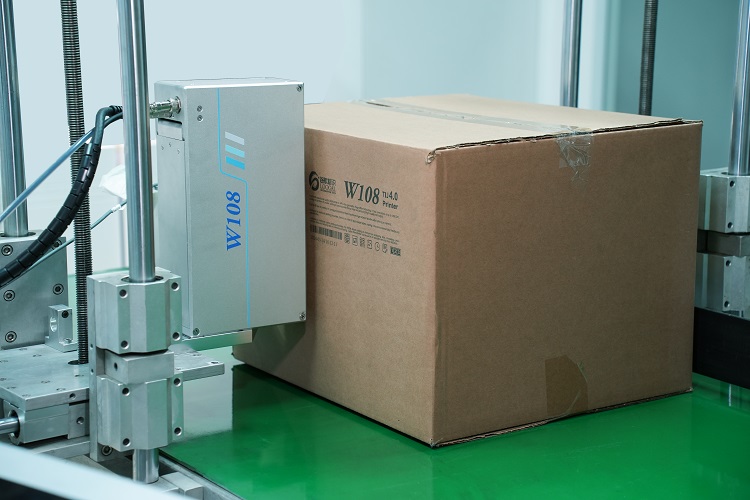
W108 Wide Format Printer — print height 108mm, support 2 printheads, max 1200dpi. Direct-to-substrate printing replaces traditional labels.
Contact Us Explore FeaturesCase Coding & Marking Solution
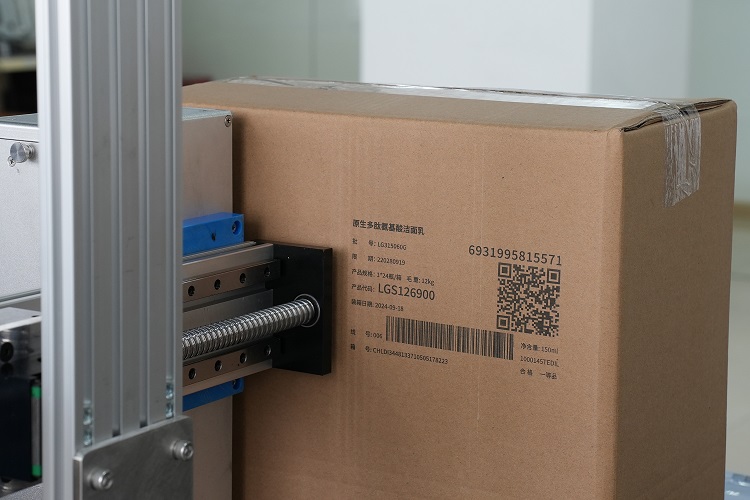
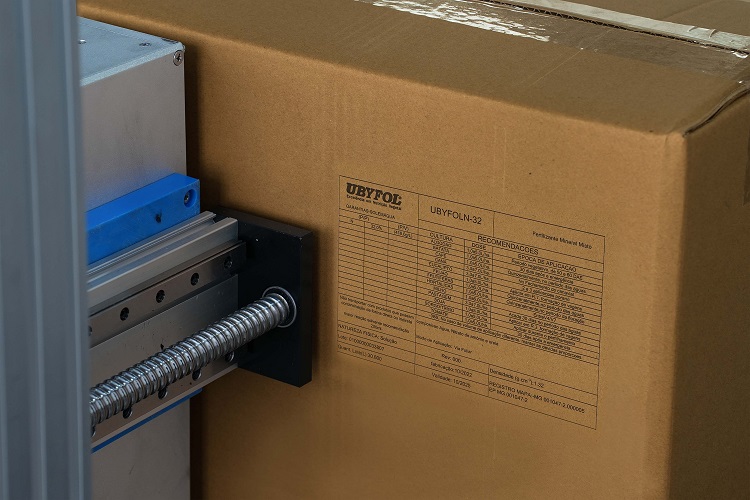
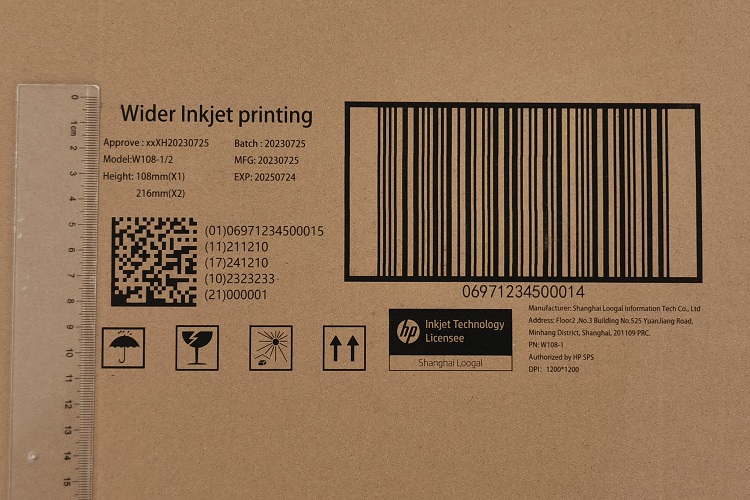
Loogal W108 inkjet printer supports horizontal and vertical printing for versatile application design, enables single or double-sided carton marking, and offers adjustable print heights of 3cm, 5cm, 7cm, or 10cm (extendable to 20cm via dual-printhead stitching) for large-scale projects. It delivers high-resolution, vibrant prints with crisp barcodes, graphics, and spot colors, significantly improving mark visibility and quality over existing market solutions while reducing costs through efficient direct-to-substrate printing.

Smart Servicing Solution
Get clean, crisp print every time, even when the printhead is left uncapped for 24 to 48 hours. Micro-recirculation technology reduces pen servicing and resolves decap issues, without the need for a service station. Guarantees fresh ink at the nozzle for every print.
Dual 775ml Bulk Ink Tank
This solution delivers high-quality direct on-box marking at a fraction of pre-printed or labeled costs, featuring a 775ml backup ink tank for non-stop printing and easy printhead replacement to minimize downtime from errors, purge processes, or repairs.
Advantages of Loogal case coding inkjet system
W108 is the next generation standard for case coding
See the W108 in action. For more videos, visit our YouTube Channel
The W108 wide-format inkjet printer utilizes HP TIJ 4.0 technology to achieve 1200 DPI resolution, ensuring sharp outputs. It supports vertical/horizontal printing, with a 108mm single print height and 1–2 heads, eliminating stitching issues. Its printhead features a built-in micro-circulation system and automatic pressure adjustment. 775ml ink tanks reduce costs by 75%, aligning with HP's maintenance-free design.
Horizontal or vertical printing capability provides design flexibility for a range of applications. Support for one or two sides of your carton printing — print in heights of 3cm, 5cm, 7cm and 10cm, and even up to 20cm when stitching two printheads, providing significant cost savings and superior flexibility.
| W108 | |
|---|---|
| Print Height(mm) | W108-1 108mm*1; W108-2 108mm*2 |
| OS | LINUX |
| Print Speed | 20m/min @1200*600 dpi; 40m/min @600*600 dpi |
| DPI | X direction: 200/300/400/600/1200dpi; Y direction: 600/1200dpi |
| Print content | Text, date, counter, image, shift code, Julian date, 1D&2D barcode, GS1, Database |
| Communication | Ethernet |
| Controller | 13.3" TouchScreen |
| Interface | USB/Sensor/Encoder/Alarm/Ethernet |
| Font | TrueType font |
| Ink Supply | 775ml Ink tank / Waterbased |
| Printable language | Simplified Chinese/Traditional Chinese/English/Spanish/Portuguese/Korean/Russian/Arabic |
| Upgrade | Firmware and software both can be updated by USB |
| Power | 120W / 110-220VAC 50/60Hz |
| Environment | Temperature 5℃~35℃, Humidity 10%~90% |
| Weight/Dimension | 16kg/37*35*14cm; Controller: 440*270*310mm; Printhead: 273*145*78.5mm |
W108 is the next generation standard for case coding
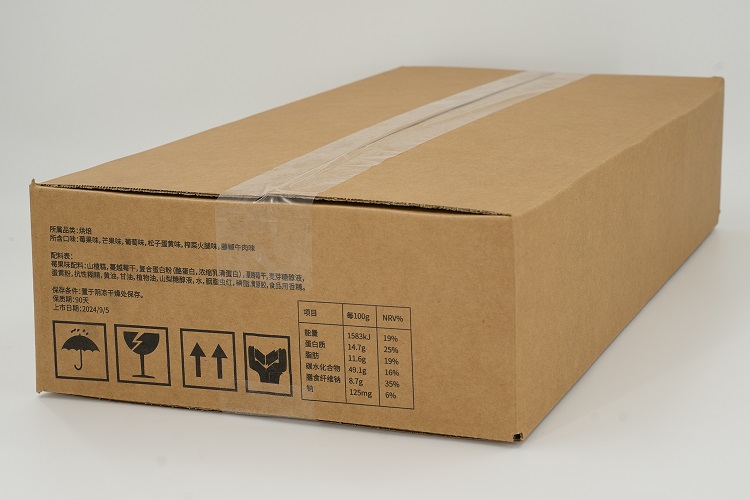
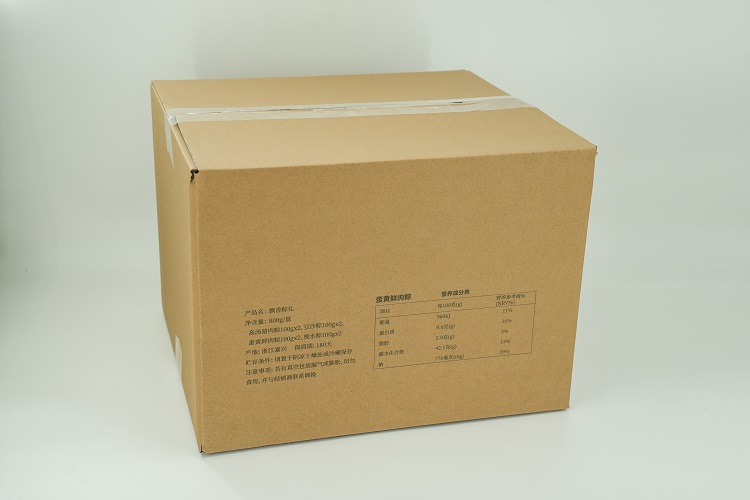
Case coding refers to printing critical information directly onto corrugated boxes or cases during the packaging process. This often includes barcodes, lot numbers, expiration dates, and other details necessary for compliance and traceability. By doing so, each case that leaves the production line is accurately marked, ensuring smooth inventory management, shipping, and fulfillment of retailer requirements.
Proper case coding goes beyond being a best practice — it's often a mandatory requirement. Its importance can be seen in several key areas:
Barcodes (1D and 2D), Lot and Batch Numbers, Production and Expiry Dates, Product Names and Descriptions, Logo & Branding, Shipping Details, Regulatory and Compliance Codes.
Using labels for case coding is still common, but labeling machines on production lines come with several disadvantages compared to direct printing: